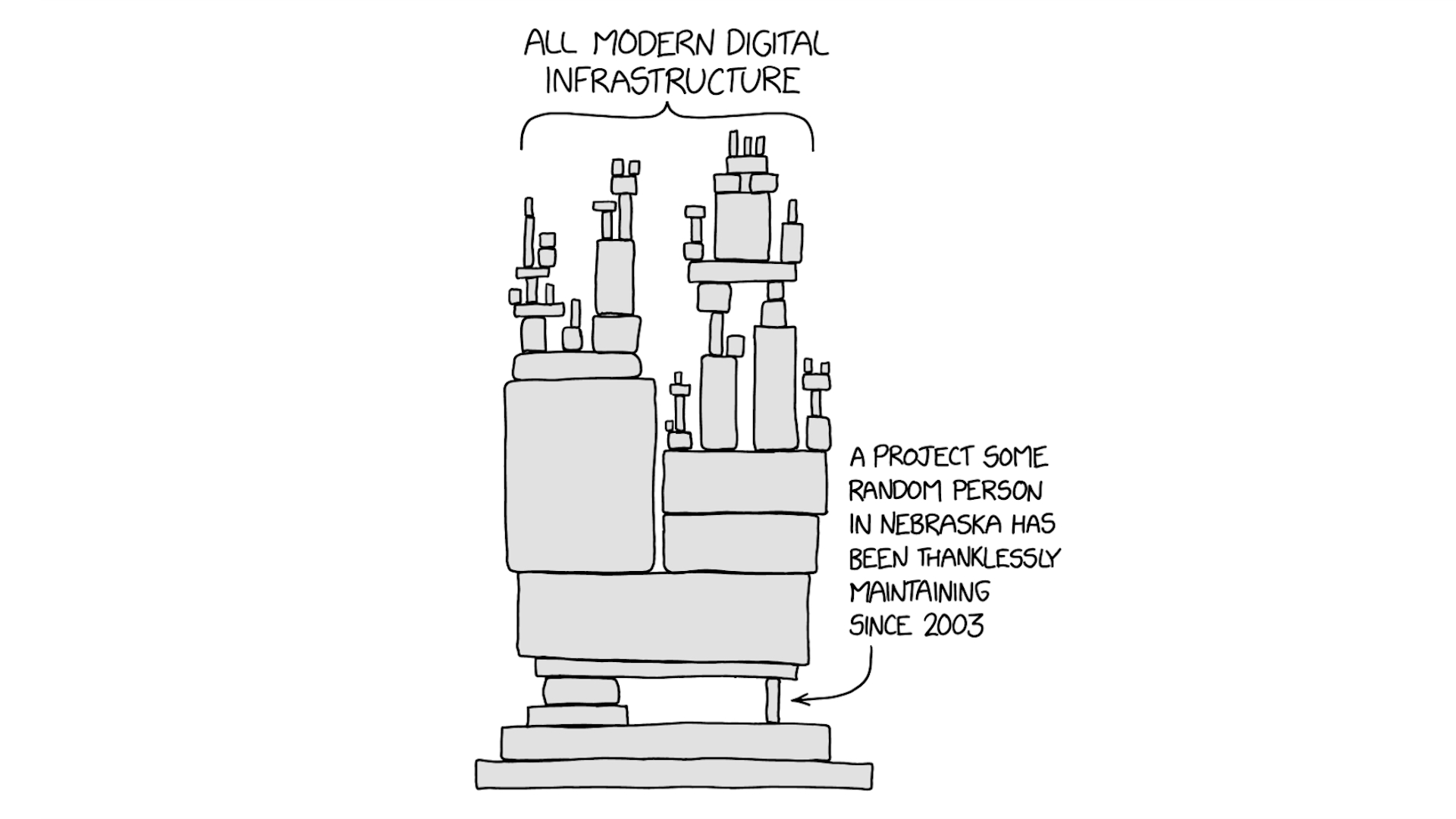
TL;DR
Many things that look like bad or irrational design (like why Britain’s spy agency is still called MI6) are actually the residue of history, not failures of logic. Understanding them requires tracing how they evolved, not just analyzing what they are. Ignore that, and you’ll misread the world, and possibly make it worse.
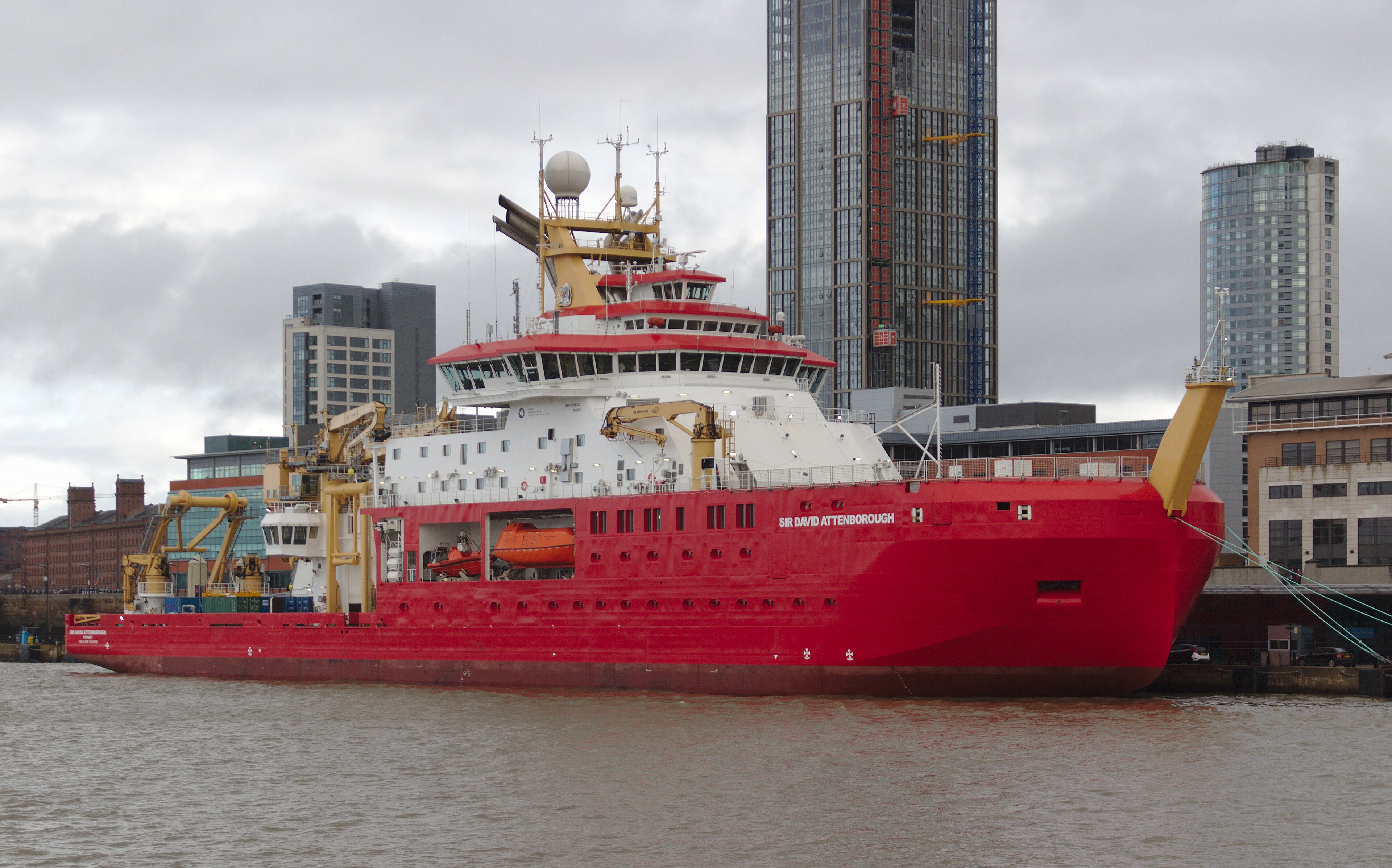
In 2016, I had a good laugh at the expense of the UK’s Natural Environment Research Council (NERC). Having obtained a new $287 million research vessel, the agency infamously asked the public for input on the vessel’s name. The British public, witty as they are, and much to my delight, overwhelmingly picked “Boaty McBoatface”. Boaty McBoatface? What a name! Although sense ultimately prevailed and the vessel was christened the R.R.S. David Attenborough, the euphoria of that period left me very curious about how British public goods (as it were) were named.
My most recent culprit has been the MI6: why MI6? Why is it that even after HM Government’s efforts to have us use the more corporate-friendly name, Secret Intelligence Service (SIS), everyone just goes on calling the service MI6? Is the name MI6 a good name? In a world that prides itself on rationality, why MI6?
If the numbers 007 mean anything to you, you’re probably justifying this variance by convincing yourself that the real world is downstream of popular culture. You will not be wrong: it should not be controversial to suggest that Ian Fleming’s work has played a significant role in sustaining the MI6 reference. However, you will still be left wanting to know why we call the spy agency Military Intelligence 6 (MI6); why 6?
There is a popular style of rationality that assumes every phenomenon must have a presently intelligible design logic. It searches for rules, frameworks, and optimisation criteria while ignoring the historical path by which systems emerge. But many social systems are not engineered so much as evolved.
Proponents of such thinking are likely to conclude, for example, that the name MI6 was arrived at in the same manner that one arrives at a name for their newly born puppy; by making up a name the mention of which stimulates affection. It is both very easy and convenient to wrongly conclude that the name MI6 was arrived at by a less-rational method. Unfortunately (or fortunately), even a banal name like MI6 can be the result of some evolutionary processes (or path-dependency). For Boaty McBoatface as for MI6, one’s answer can only get better with the appreciation of the right priors (a fact that high-modern optimisation thinking divorced from historical accumulation is likely to miss).
Damn the priors!
Starting during the Great War, Great Britain’s Secret Services were split into agencies. Each agency was called a Military Intelligence (MI), and at some point in time, there were 19 in number. Some of these agencies have survived to date, while others were disbanded and their previously assigned functions transferred to other existing agencies.
MI6 survived and like its siblings, was stuck with a name that outlived the structures that created it.
One could argue that the continued use of the name MI6 is because the memory of the Great Wars still shapes British consciousness. But that will not take away from the fact that the correct rational explanation of why the Secret Intelligence Service (SIS) is called MI6 is more evolutionary than static/universal. The correct answer depends as much on frameworks just as much as it does on the trace of an evolutionary path.
Many a rational person often fails to incorporate priors into their thinking (or at least to consider at the start if priors will be necessary). You are probably thinking that you are immune to this disease. I will, however, like you to consider this: how many times has your thought pattern been “Given X & Y, how can I do Z?”, as opposed to “How can I do Z?”.
I see this sort of shortcoming very often when many modern optimisers consider social questions. It goes without saying that such people see the world as a narrow “engineering problem” frozen in time. Powerful a lens as that may be, the compounding effect of the failing popularity of an appreciation for history compounds the downsides of even the well meaning the-world-is-an-engineering-problem-frozen-in-time worldview.
Having failed to appreciate the fact that some manifestations of bad design are a result of path-dependency and not incapability (sometimes the problem is compounded by impatience that leaves no time to consider the question: is this instance of bad design a result of path dependency or inability?), many gifted persons have thrown themselves at ambitious societal problems only to leave the world worse than they found it.
So did the name “Boaty McBoatface” sink into oblivion? Not really.
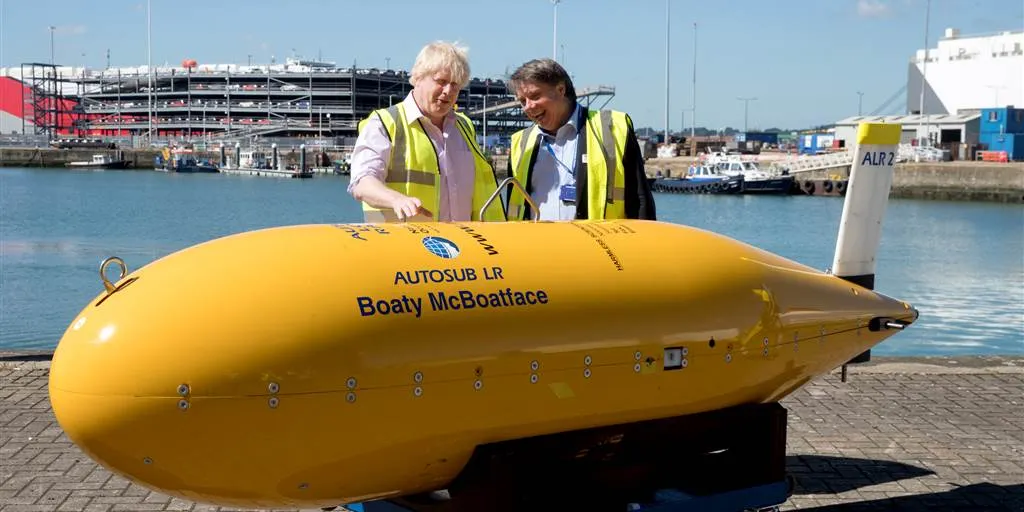
When the government overruled the public vote and chose to honour Sir David Attenborough instead, they gave the name “Boaty McBoatface” a consolation prize. A small autonomous submarine attached to R.S.S. David Attenborough was named Boaty McBoatface. Today, Boaty McBoatface has a life under the oceans gathering findings for climate science work. No one planned for Boaty McBoatface to matter. The name was a joke, then a problem, then an afterthought. And then it was doing ocean science. Sometimes, systems that survive just find a way. Not because someone optimised them into existence, but because they accumulated enough meaning, attachment, and history that the world had to make room for them.
Don’t damn the priors. They have a way of outlasting the plans.